Goldman Sachs’ sustainability credentials in private wealth management are built on two decades of activity, firm-wide capital commitments and measurable client outcomes.
The firm’s 10-year, $750 billion sustainable finance commitment – announced in 2019 – had surpassed 80% by the end of 2024, with the majority directed towards climate transition. Developed through Goldman Sachs‘ sustainable finance framework, it covers financing, investing and advisory activity across the firm and serves as the strategic backbone against which progress is measured.
Client uptake continues to accelerate. As of June 2025, 50% of Goldman Sachs Private Wealth Management’s 500 largest clients globally were invested in sustainable mandates. That shift in wallet share is not incidental. It reflects a deliberate effort by the dedicated sustainable solutions team to assess each client’s sustainability preferences and build portfolios accordingly, working across ultra-high-net-worth individuals, family offices and institutional clients worldwide. The team draws on more than 150 strategies across public and private markets to construct customised allocations that align financial and sustainability objectives.

You could go to a small boutique specialist impact adviser, but they can’t then also help clients with everything else they need from a wealth management perspective … We can
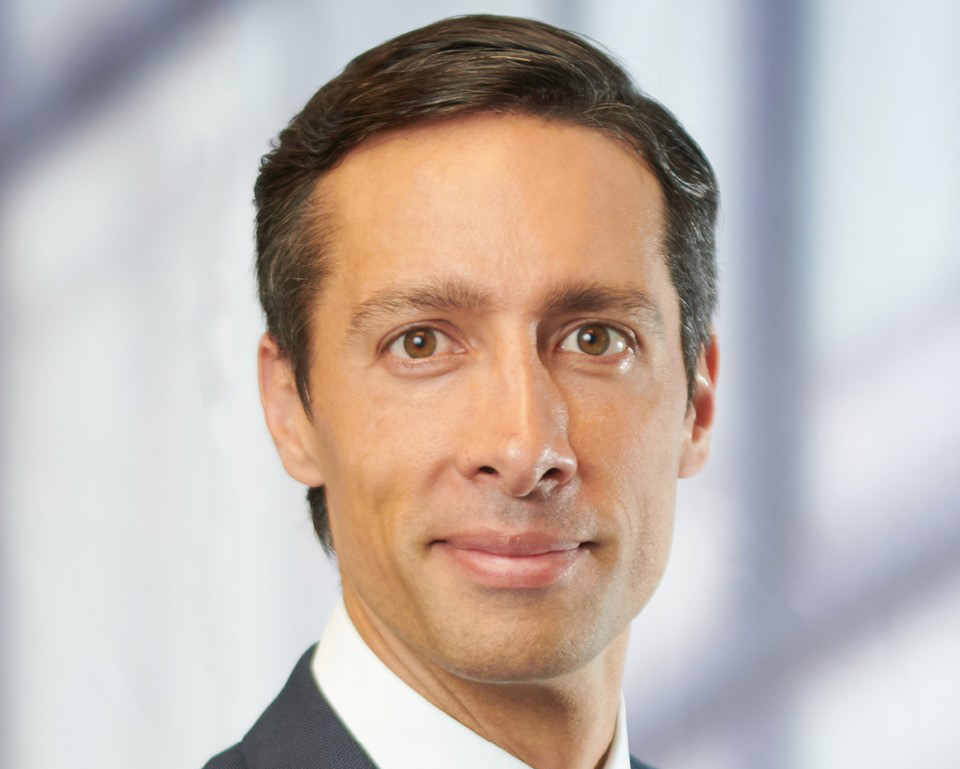
Abigail Pohlman
Client demand is clear. “We are seeing strong growth from larger family offices that have the resources and say ‘we really care about these inclusive growth themes, such as education, healthcare or financial inclusion’,” says Abigail Pohlman, global head, private wealth management sustainable solutions group.
The bank’s global footprint and comprehensive offering allow it to deliver in a unique way. “You could go to a small boutique specialist impact adviser, but they can’t then also help clients with everything else they need from a wealth management perspective – the trust and estate education, the tax considerations, the lending components. We can,” says Pohlman.
The Goldman Sachs platform rests on specialist internal teams built over the years after two strategic acquisitions – Imprint Capital Advisors in 2015 and NN Investment Partners in 2022 – that have expanded both private and public markets sustainability capabilities.
Two investment strategies launched exclusively for Goldman Sachs clients during the review period – the Climate Credit fund, targeting private credit in climate transition, and the Inclusive Growth business within Goldman Sachs Alternatives, focusing on lower middle-market private equity – extended the reach of the sustainable investing platform into new areas of private markets.
Measuring outcomes
The bank’s proprietary ESG portfolio diagnostic tool, developed by the private wealth management sustainable solutions team and launched to clients during the review period, sits at the centre of its screening and reporting infrastructure. By combining external data with proprietary analysis, the tool enables clients to understand the sustainability characteristics of their public market holdings and identify opportunities to align their portfolios more closely with their objectives.
For clients subject to European regulations, the tool generates principle adverse impact indicators, UN Sustainable Development Goal alignment metrics, detailed carbon emissions analytics and climate value-at-risk scenario analysis – providing the granular, regulation-ready reporting that institutional and family office clients increasingly require.
More than 200 professionals across asset and wealth management are dedicated to sustainability research, portfolio management, stewardship and risk. Keeping advisers and clients informed is treated as an operational discipline. The sustainable solutions team leads annual sustainable and impact investing training programmes for internal teams across every career stage, from summer interns to senior partners. A dedicated webinar series covers sustainable investing market outlooks, inclusive growth opportunities and sustainability in infrastructure, reaching both employees and clients. In 2024, the team co-hosted an invite-only climate tech workshop during New York Climate Week alongside Builders Vision and CREO Syndicate.
Operationally, the firm has been carbon-neutral across operations and business travel since 2015 and has set a target of net-zero emissions in its operations and supply chain by 2030. Specific 2025 targets include a 20% reduction in energy intensity and a 15% reduction in water intensity across global offices, alongside a 30% reduction in internal paper use per capita, all measured against a 2017 baseline. The firm is also working towards renewable energy procurement improvements and sustainable supply chain practices.